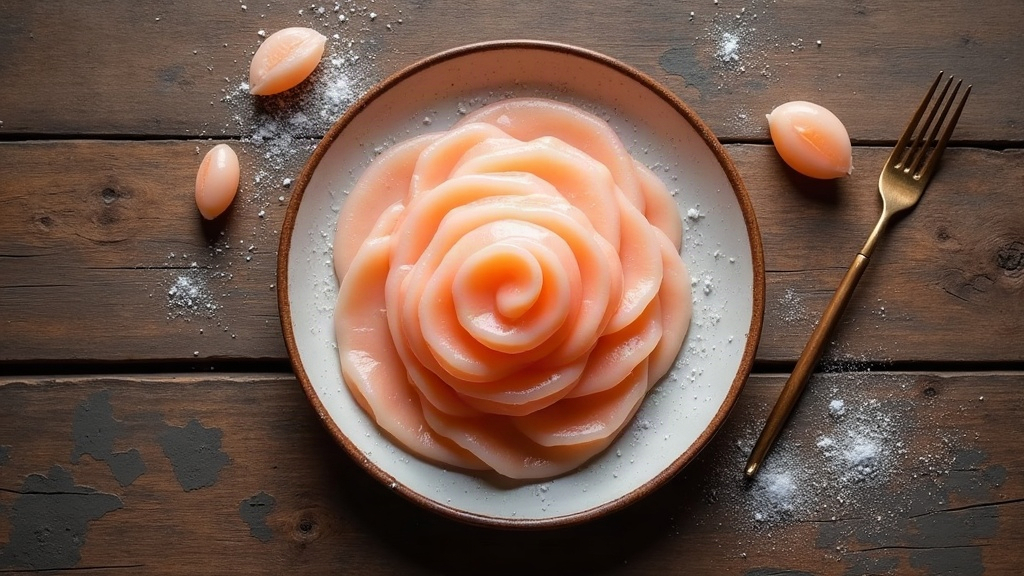
This educational video looks at the traditional kitchen habit built on baking soda e gelatin, and explores why collagen-rich routines have remained part of women’s daily wellness practices for generations.
Many of the shifts women notice over time aren’t about willpower — they reflect real changes in body composition and daily habits. Understanding them is the first step toward informed choices.
Hunger and fullness cues can change over the years, which may affect portion awareness and daily eating patterns.
Lean muscle tissue naturally shifts over time, which can influence how the body uses energy throughout the day.
Collagen production tends to slow with age, something traditional kitchen habits involving ingredients like gelatin have long paid attention to.
Generic diet rules built for a different body stage may not account for the natural changes happening now.
There’s a lot of noise around metabolism and weight. Here’s a closer look at three common claims.
Metabolism completely stops working after a certain age.
Metabolic rate can shift gradually over time, but it doesn’t simply ‘stop’ — many factors play a role.
Eating less is always the answer to feeling better in your body.
Severe restriction can affect energy and mood; balanced habits and adequate nutrients matter more than extreme cuts.
Any weight change is only about food.
Sleep, stress, hydration, and consistency all factor into how the body feels and functions day to day.
Small, consistent routines are easier to sustain than drastic overhauls. Here’s how the habit is typically approached.
Introducing a small daily ritual, at the same time each day, helps it become part of a routine rather than a chore.
Paying attention to hunger, fullness, and energy levels alongside the habit helps build a more mindful relationship with eating.
Noticing changes in energy, skin, or joint comfort can offer a fuller picture than weight alone.
Long before modern supplements, home kitchens relied on simple pantry staples — including baking soda e gelatin — as part of everyday cooking and wellness traditions passed down through generations. Gelatin, derived from collagen, was a staple in broths and homemade dishes long valued for its role in traditional diets.
Insight: Many of today’s wellness habits are modern versions of ingredients grandmothers already had in their pantry.
Feeling drained earlier than expected can be a signal worth noting in a daily routine.
Nail texture and growth are sometimes linked to nutrient intake, including collagen-related compounds.
Mild stiffness after periods of inactivity is something many women notice as they age.
Feeling hungry sooner after meals, or not feeling satisfied, may reflect shifts in satiety signals.
Skin elasticity can change gradually, something often associated with natural collagen decline.
Weight can plateau for reasons unrelated to effort, including hormonal and metabolic shifts.
Testimonials reflect individual experiences and opinions. Individual results may vary. These statements have not been evaluated by the FDA and are not intended to diagnose, treat, cure, or prevent any disease.
Hydrolyzed gelatin is gelatin that has been broken down into smaller protein components, making it easier for the body to incorporate into recipes and routines.
No. This content is for educational purposes only and is not a substitute for professional medical guidance.
No. This page discusses habits and traditional ingredients for educational purposes; it does not promise any specific outcome.
This content is intended for women interested in learning more about wellness habits and traditional kitchen ingredients.
Collagen is a structural protein found throughout the body, including skin, joints, and connective tissue.
Both ingredients have a long history in traditional home kitchens and are discussed here in that educational context.
No. This video simply explores a habit and its traditional background; any changes to diet should be discussed with a healthcare professional.
Watch the complete video to learn more about this traditional kitchen habit and the thinking behind it.
Advertising Disclosure: This page contains sponsored content and affiliate links. We may receive compensation if you click a link or make a purchase through links on this page. This helps support the content on this site at no additional cost to you.
Content Disclaimer: The content on this page is provided for educational and informational purposes only. It has not been evaluated by the Food and Drug Administration (FDA) and is not intended to diagnose, treat, cure, or prevent any disease or health condition. Always consult a qualified healthcare professional before making changes to your diet, routine, or lifestyle.
Results Disclaimer: Individual results may vary. Any testimonials, examples, or experiences shared on this page are not a guarantee of any specific outcome. What works for one person may not work for another.
© 2026 · All Rights Reserved · /contact/